The Weir Review 2

Review by Russ Thorne

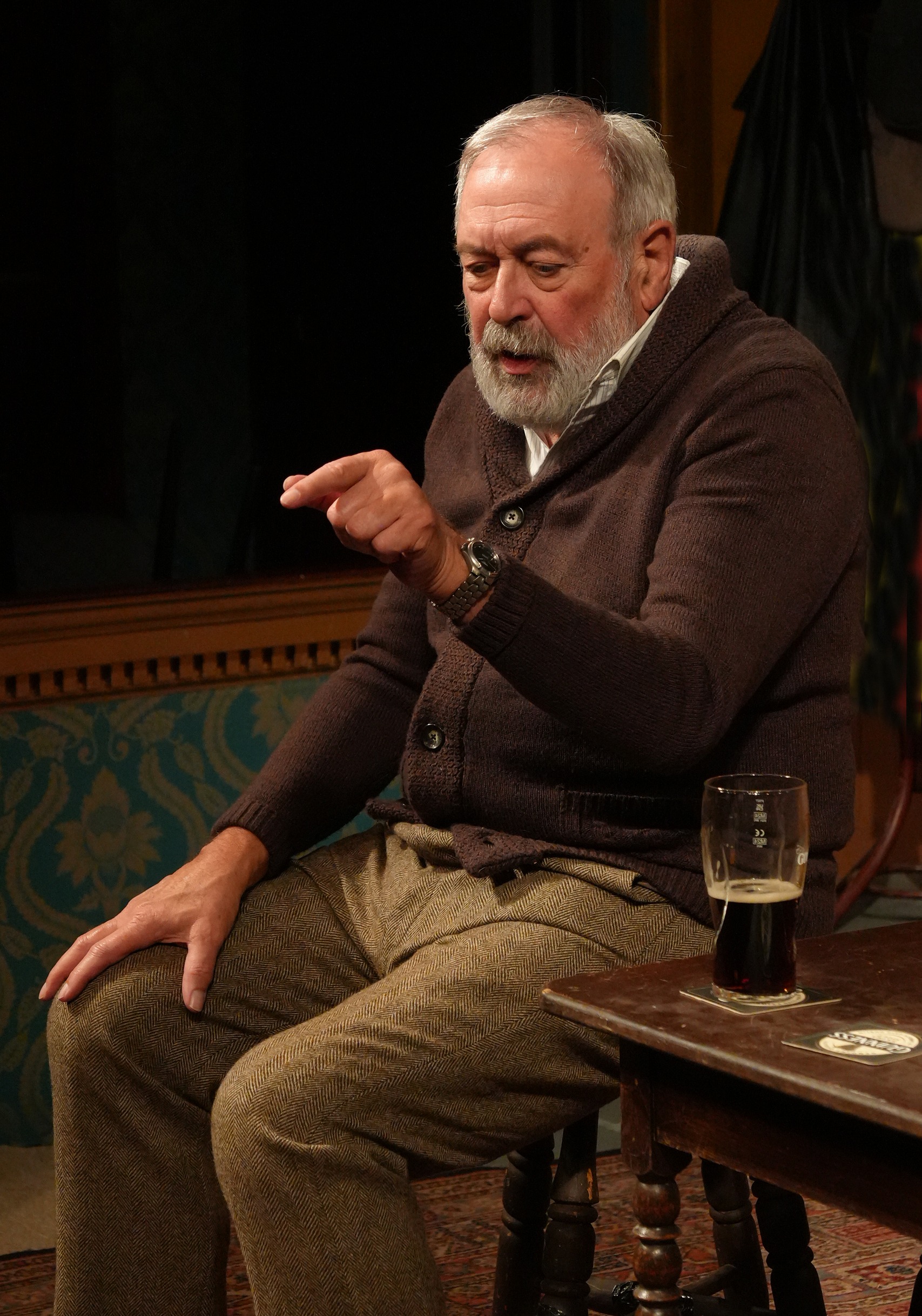
Tucked away in a corner of the set of Pateley Bridge Dramatic Society’s production of ‘The Weir’ is a grainy, black and white photograph of a flinty-eyed hardman. He looks life-worn and stern. It’s Irish playwright Samuel Beckett, and scrawled underneath is his famous summation of the human experience: ‘words are all we have.’

Michael Thorne as Jack

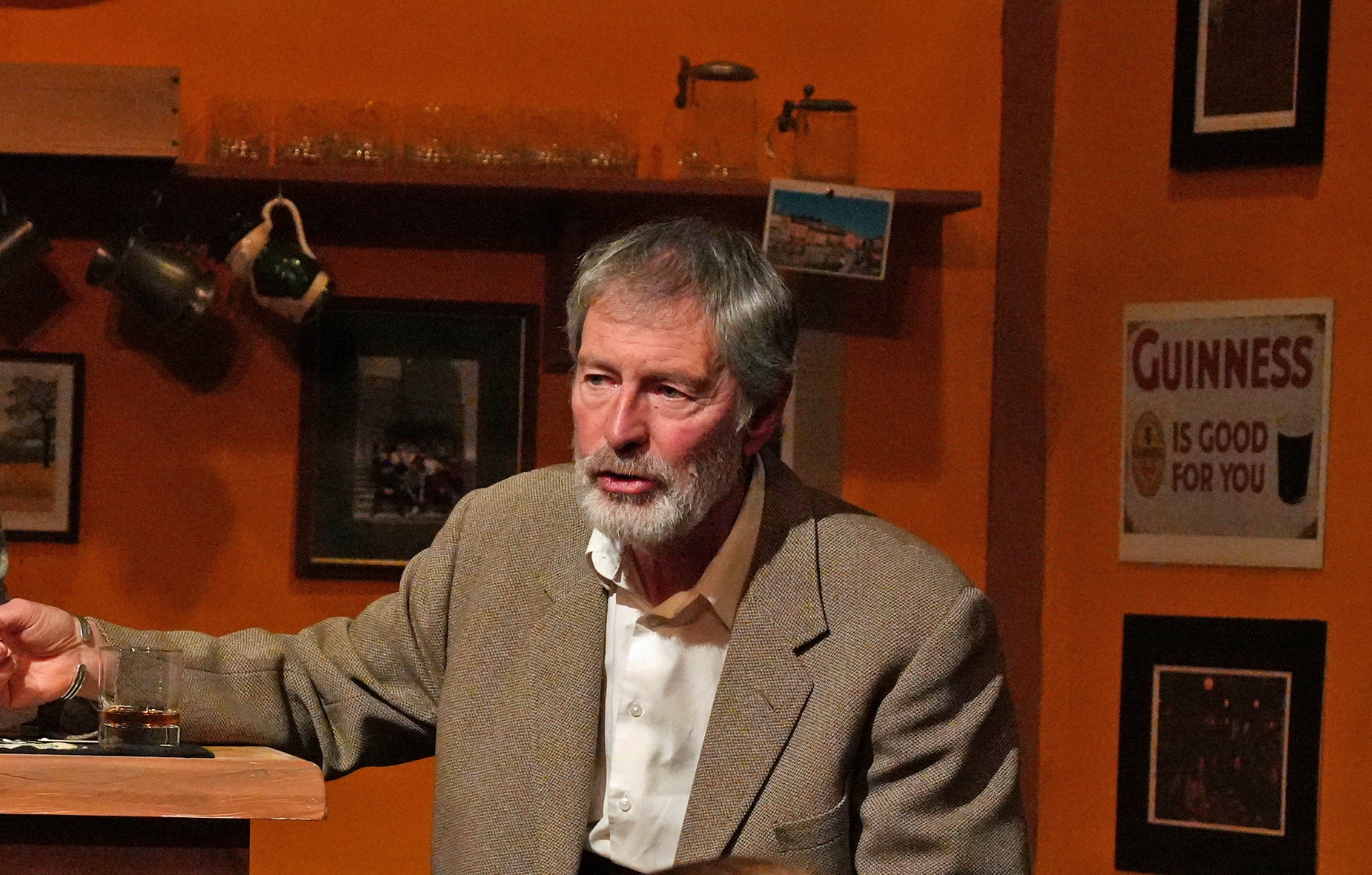
Over time he’s joined by barman Brendan (Tom Barber) and Jim (Jerry Harvey), another regular. As the words begin, things are light, joshing, inconsequential. The wind around the nook. The horses. What’s to be done about Brendan’s top field, and if it could be turned into a campsite for tourist season, when apparently ‘the Germans’ will arrive.

Jerry Harvey as Jim

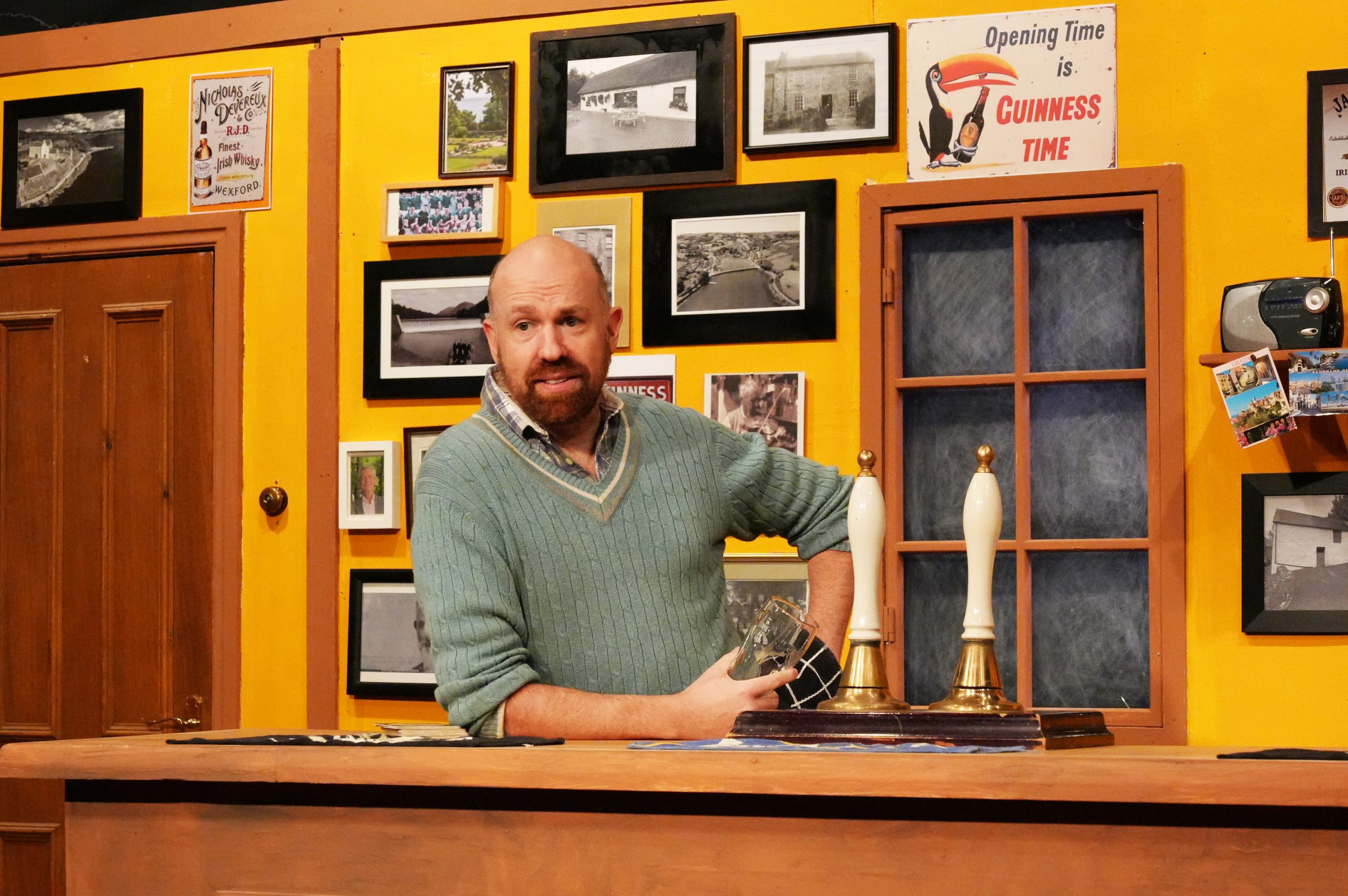
Everything is familiar and bedded in. There are no hard edges here, no ruffling of calm waters. Even the carefully constructed set – a faithful rendering of an Irish bar, something observed and crafted instead of simply imagined – feels lived in and Known.

Tom Barber as Brendan

Except that’s the thing with a weir (a blink-and-you-miss-it reference in the script, but a constant presence courtesy of the title): calm is fleeting. It’s a liminal space, a transition between still waters and turbulent falls, and back again; a restless back and forth. And in this pub, on this evening, we get the same thing.

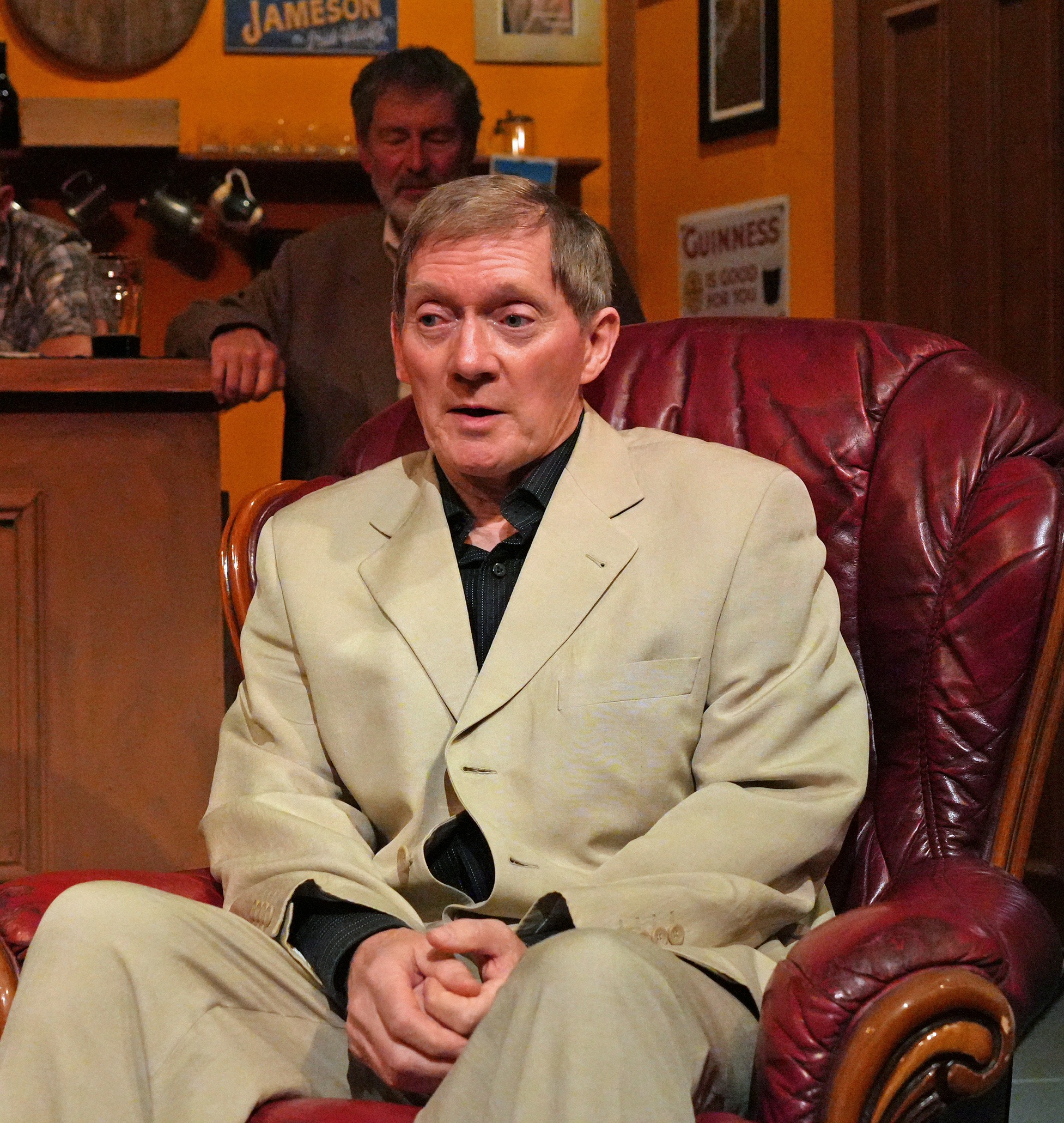
Steve Langford as Finbar

The catalyst is the arrival of Finbar (Steve Langford), the local boy made good in the big city, and Valerie (Carol Bailey), newly arrived from Dublin and being shown around. Finbar is loud, confident, showy. The lads in the bar are intrigued by a new soul in their midst. Valerie herself is initially quiet, polite, a fish somewhat out of water.

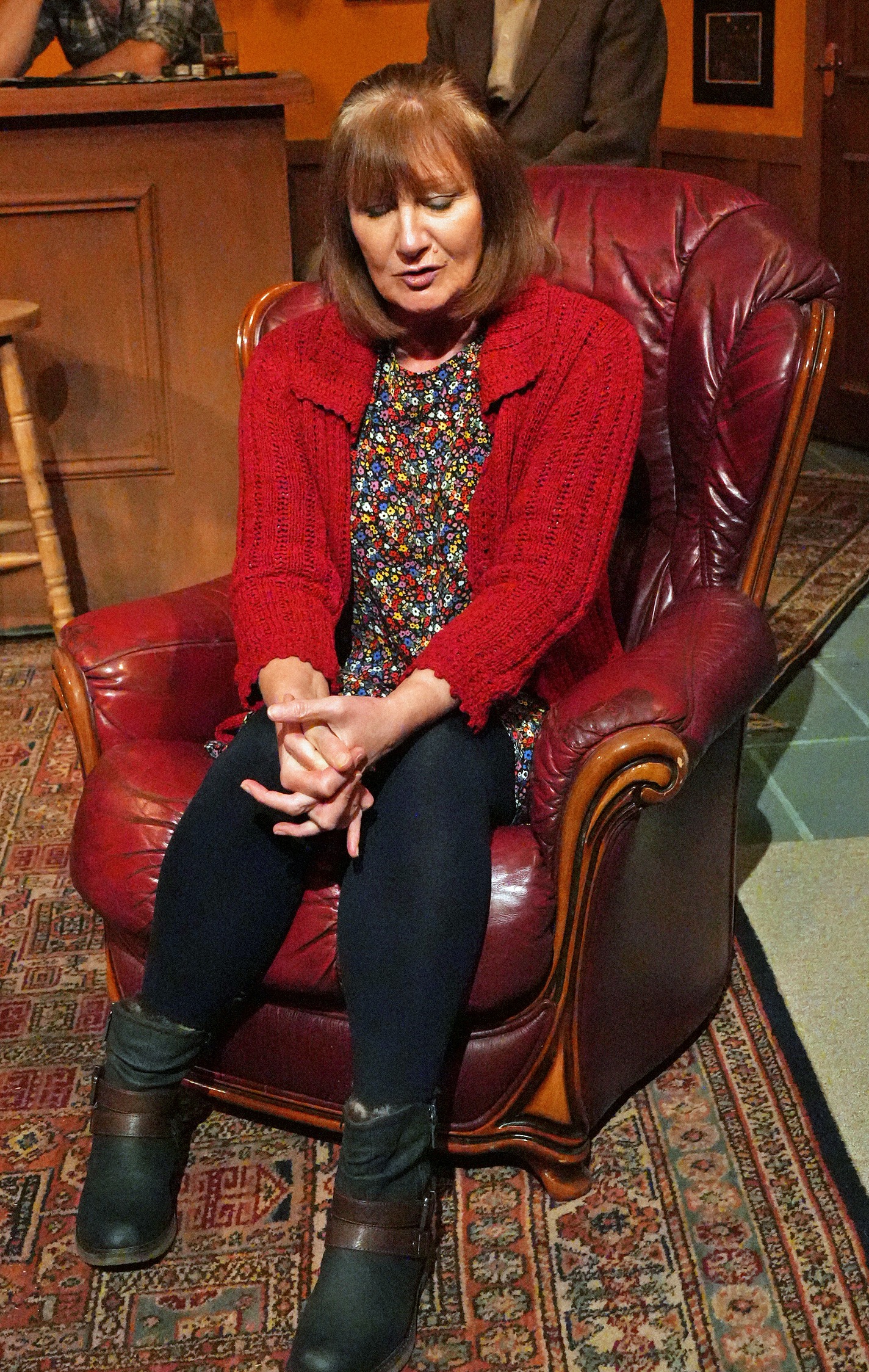
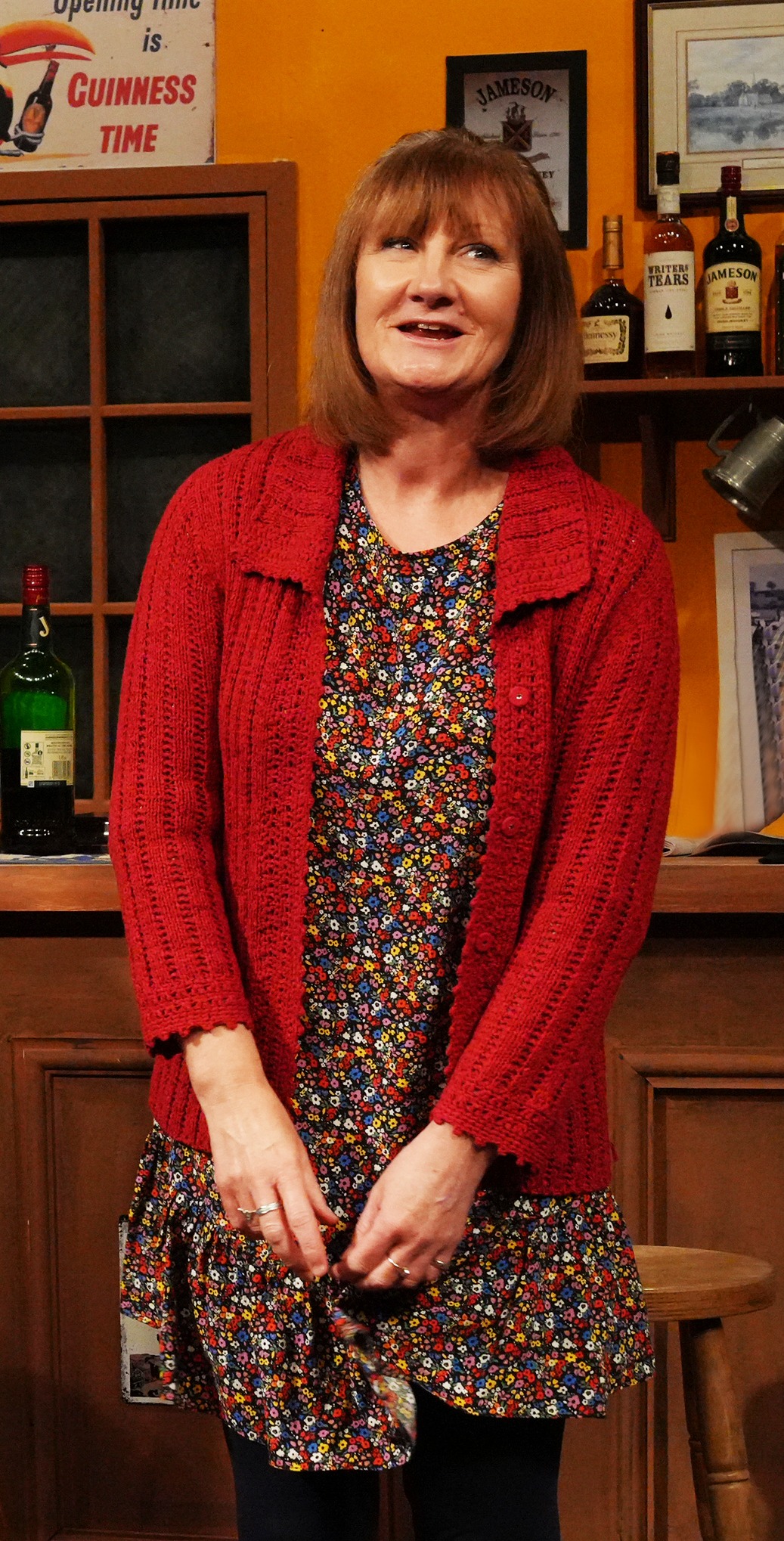
Carol Bailey as Valerie

Gradually more words tumble out as characters are drawn, baited, cajoled into speaking. The language spirals from the rough homespun craic of misanthropic men in a deep groove a lifetime in the making, to lyrical, then sombre, then unexpectedly vulnerable. As Jack, Jim and Finbar tell their stories, each reveals what Irish poet Seamus Heany once called ‘undertruths of sadness that leave you gasping.’ He was talking about Ted Hughes’ poetry, but the shoe fits: in the hands of this immensely capable cast (who have evidently worked hard on authentic Irish accents) we’re laughing one moment and appalled the next. Characters are rendered with such magnetic emotional clarity that I could see the audience literally leaning in under the pull.

The danger of the weir isn’t just the toil and trouble on the surface, but the undercurrents. For the men here it’s loneliness, regret, pain. And for Valerie, it turns out, those currents run even deeper, proved in a monologue delivered with such haunting grief by Bailey that the silence afterwards feels like another character on stage. Then a word from Jim punctures it, and we’re back in the calm waters again.

These are terrific performances from the whole cast, staged simply and with unfussy direction from Hugh Cawley that foregrounds the script and the beautiful ensemble work. Like the stories in the pub the play is deliberately aimless and eddying at first, but soon reveals itself to be in the grip of a current that pulls things relentlessly onwards, in the grip of time and tide. Age is a constant refrain. Identity. Status. And, in amongst the loneliness of just being in the world, there’s the hope of community.

As this startling, often hilarious and unflinchingly moving production loops back around into silence, with a closing quip, one of Valerie’s lines echoes as the whole point of the exercise: “It’s just nice to be here and hear what you’re saying,” she says, reassuring herself, the men at the bar, and perhaps all of us. Staging ‘The Weir’ isn’t easy, but PBDS successfully conjure a heartfelt plea to have our stories, our words – however they arrive – heard. Because like your man says (as Jack might put it), words are all we have.

Scroll to Top